

Armenian is not rushed.
It unfolds slowly, layered with emotion, context, and history. Learners who rush often feel frustrated.
Those who slow down feel rewarded.
Progress Is Gradual
Fluency does not appear suddenly.
Small improvements accumulate quietly. This mirrors Armenian cultural values of endurance and persistence.
Learning becomes sustainable.
Mistakes Are Expected
Errors are part of the process.
Native speakers value effort over accuracy. This reduces fear and encourages consistent practice.
Confidence grows through acceptance.
Consistency Beats Intensity
Short, regular practice works better than bursts of effort.
TunApp lessons are designed for steady engagement rather than overload.
This matches how Armenian is naturally acquired.
Learning Tip: Measure Time, Not Speed
Track how long you stay engaged, not how fast you advance.
Patience creates depth.
Let the Language Grow
Learning Armenian is a relationship.
Give it time, and it will respond.
Frequently Asked Questions
1. Why does Armenian learning feel slower than other languages?
Armenian develops through gradual understanding rather than quick memorisation. Progress often happens in small, steady steps, which can feel slower but creates deeper and more lasting fluency.
2. Is slow progress a problem when learning Armenian?
No. Slow progress often means that understanding is becoming more stable. Taking time allows patterns to settle properly, making the language easier to use in real situations.
3. Are mistakes expected when learning Armenian?
Yes. Mistakes are a natural part of the process. Native speakers generally appreciate effort and willingness to communicate more than perfect accuracy.
4. Why is consistency more important than intensity?
Regular, short practice helps maintain familiarity with the language. As seen in consistent exposure approaches, steady engagement builds stronger retention than occasional intensive study.
5. How often should I practise Armenian?
Daily or frequent short sessions are more effective than long, irregular ones. Keeping the language present in your routine helps it feel more natural over time.
6. How should I measure my progress?
Focus on how often you engage with the language rather than how quickly you improve. Measuring time and consistency provides a more accurate reflection of real progress.
7. Why does patience matter in Armenian learning?
Patience allows understanding to develop without pressure. It creates a learning environment where recognition and familiarity can grow naturally.
8. What mindset supports long-term fluency?
Approach Armenian as a long-term process rather than a quick goal. When you stay consistent and patient, the language becomes more familiar and easier to engage with over time.

Ready to start learning Armenian?(www.tunapp.com/get-started)
Tun Online Armenian School is available online to students in 30+ countries. Students can log in and learn Eastern or Western Armenian at a pace that suits them, and it features lessons, quizzes and interactive games to make learning fun.
<< Create your free account and start your first lesson now! >>
✅ Eastern and Western Armenian
✅ Available on mobile
✅ Available on desktop and laptop
✅ Ad-free learning experience
✅ Live practice with other Armenian speakers
✅ Beginner, Intermediate and Advanced levels
✅ Tutor help available
✅ Try before you buy with 4, 8 or 12 lessons free
✅ Cancel any time

Related Articles





-

Armenian Suffixes Masterclass Series – 11 lessons
$85.00Original price was: $85.00.$85.00Current price is: $85.00. -

Online Armenian School
$50.00 – $107.00 / month -

5 x Armenian Lesson Sample
$54.00Original price was: $54.00.$54.00Current price is: $54.00. -
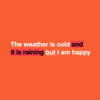
Armenian Sentence Structure Masterclass Series – 8 lessons
$85.00Original price was: $85.00.$85.00Current price is: $85.00. -
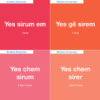
Armenian Past/Present/Future Masterclass Series – 8 lessons
$85.00Original price was: $85.00.$85.00Current price is: $85.00. -

Armenian Reading and Writing Masterclass Series – 14 lessons
$113.00Original price was: $113.00.$113.00Current price is: $113.00. -
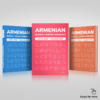
Armenian Reading and Writing Workbook Bundle x 3
$53.00Original price was: $53.00.$53.00Current price is: $53.00. -

Armenian English Alphabet Flashcard Set
$25.00Original price was: $25.00.$25.00Current price is: $25.00. -

Armenian Flashcard Set - Animals PRINTABLE
$18.00Original price was: $18.00.$18.00Current price is: $18.00. -

Armenian Flashcard Set - Emotions and Feelings PRINTABLE
$18.00Original price was: $18.00.$18.00Current price is: $18.00.
