

The Waiting Trap
There is a very human tendency in language learning to wait. To wait until your vocabulary is large enough. To wait until your grammar is solid enough. To wait until you feel confident enough. The problem is that this moment never arrives on its own. Confidence in speaking Armenian is not something that appears when you have crossed some invisible threshold of competency. It is something that develops through practice, through the experience of speaking imperfectly and surviving, and through the gradual accumulation of moments where communication actually happened, however imperfectly.
Experienced Armenian teachers see this waiting pattern constantly. Students who have learned a great deal of Armenian and can read and write at a solid level but who freeze when asked to speak. The gap between receptive knowledge and productive ability is real, and it is painful for learners who are aware of it. But the only way across that gap is through it, and that means speaking before you feel fully ready.
Imperfection Is Part of the Process
One of the most important things to accept as an Armenian speaking learner is that you will make mistakes. You will use the wrong case ending. You will reach for a word and find it missing. You will produce a sentence that sounds awkward to a native speaker. These things will happen, and they are not signs that you are failing. They are signs that you are in the process of acquiring the language. Every mistake is information. It tells you something about the gap between what you currently know and what you are trying to express, and that information is valuable.
Armenian speakers, particularly those who encounter learners with genuine enthusiasm, are generally remarkably patient and encouraging. When a learner attempts Armenian, even imperfectly, they are paying that speaker and their language a profound compliment. That gesture is understood and appreciated. The fear of judgment that holds so many learners back is rarely justified by the actual response they receive.
Starting Small, With Real Stakes
The most effective speaking practice is not artificial. It does not involve rehearsed dialogues performed for a teacher in a controlled environment, though those have their place. It involves real communication with actual stakes. Ordering food in an Armenian restaurant. Greeting an Armenian-speaking neighbour. Commenting on an Armenian social media post. Asking a simple question in a community context. These small, real interactions provide genuine feedback in a way that classroom practice cannot. They also provide genuine satisfaction, the satisfaction of having used the language in the world, which is one of the most powerful motivators in language learning.
Start with phrases you have already practiced. Use what you know. Do not wait to speak until you can express complex ideas. Begin with greetings, with expressions of appreciation, with requests for simple things. These simple exchanges are the foundation of a speaking practice, and they build confidence in ways that no amount of study can replace.the system. You begin to hear cases in use and to understand why a particular form was chosen, and that understanding is far more durable than memorising case endings without knowing what they mean.

Recording Yourself as a Speaking Tool
One practice that many Armenian learners find valuable, though also initially uncomfortable, is recording themselves speaking. When you hear your own Armenian, you gain information that reading and writing cannot provide. You hear where your pronunciation is strong and where it falters. You notice when you hesitate and where fluency is building. You can compare your output to native speech and identify specific areas where your speaking differs.
Recording also makes your progress visible. Hearing yourself after three months of learning and comparing it to a recording from week one is one of the most motivating experiences a language learner can have. The progress that feels invisible in the daily practice becomes audible in the comparison, and that audibility is powerfully encouraging.
TunApp and Speaking Practice
At Tun Armenian Online School, speaking is treated as a skill that develops through practice in meaningful contexts, not as the reward you receive after mastering everything else. Lessons include opportunities for spoken production at every level, with the understanding that imperfect speaking is not a problem to be avoided but a stage to be passed through. The goal is to help learners build the speaking habit early, so that it becomes a natural part of how they engage with the language.
Learning Tip: Set a Speaking Commitment
Commit to speaking Armenian every day, even briefly. Even a few sentences spoken aloud to yourself count. The goal is to make speaking a daily habit rather than an occasional performance. Daily speaking practice, even in small doses, builds fluency in ways that weekly formal sessions cannot match. The consistency is what creates the habit, and the habit is what eventually makes speaking feel natural.
The Voice Is Part of the Language
Your Armenian speaking voice is not separate from your Armenian learning. It is part of it. The language lives in the mouth, in the breath, in the physical production of sound. When you speak Armenian, even imperfectly, you are doing something that study alone can never replicate. You are bringing the language into your body, and that embodied experience is what eventually makes it yours. Do not wait for the perfect moment to speak. The perfect moment is now.
Frequently Asked Questions
1. How do I overcome my fear of speaking Armenian?
The most reliable way to reduce speaking anxiety is through regular low-stakes practice. Starting with short, simple interactions builds the experience of surviving imperfection, and that experience gradually replaces fear with familiarity. Most learners find that the fear of speaking is always worse than the reality of speaking.
2. Is it possible to speak Armenian fluently if I make a lot of mistakes?
Making mistakes is a normal and necessary part of developing spoken fluency. Every error provides information about the gap between your current ability and your target, and addressing those gaps over time is exactly how fluency builds. The learners who progress fastest are usually those who speak most willingly, not most perfectly.
3. How can I practice speaking Armenian if I have no one to speak with?
Solo speaking practice is more productive than it sounds. Reading aloud, narrating daily activities in Armenian, recording yourself, and responding verbally to Armenian audio are all valid forms of speaking practice that develop the muscle memory and confidence that real conversations require.
4. Why do I understand Armenian well but struggle to speak it?
Understanding a language and producing it are two separate skills that develop at different rates. Receptive knowledge builds through listening and reading, while productive ability requires regular speaking practice to activate. The gap is normal and closes with deliberate spoken output rather than more passive study.
5. How does recording yourself help with Armenian speaking practice? Listening back to your own speech reveals things that are invisible during the moment of speaking, such as pronunciation patterns, hesitation habits, and areas of growing fluency. It also makes progress visible over time, since recordings from earlier in your learning journey show how far you have come in ways that can be genuinely motivating.
6. What are the best real-world situations for practicing Armenian speaking?
Any situation where communication is genuine provides valuable speaking practice. Ordering food at an Armenian restaurant, greeting Armenian-speaking family members, commenting in Armenian on social media, or joining a language exchange all provide authentic feedback that rehearsed classroom dialogue cannot replicate.
7. How long should I practice speaking Armenian each day to see improvement?
Consistency matters more than duration. Even five to ten minutes of daily spoken practice produces more progress over time than occasional longer sessions, because regular output keeps the productive pathways active and builds the habit of reaching for Armenian instinctively rather than deliberately.

Ready to start learning Armenian?(www.tunapp.com/get-started)
Tun Online Armenian School is available online to students in 30+ countries. Students can log in and learn Eastern or Western Armenian at a pace that suits them, and it features lessons, quizzes and interactive games to make learning fun.
<< Create your free account and start your first lesson now! >>
✅ Eastern and Western Armenian
✅ Available on mobile
✅ Available on desktop and laptop
✅ Ad-free learning experience
✅ Live practice with other Armenian speakers
✅ Beginner, Intermediate and Advanced levels
✅ Tutor help available
✅ Try before you buy with 4, 8 or 12 lessons free
✅ Cancel any time

Related Articles





-

Armenian Suffixes Masterclass Series – 11 lessons
$85.00Original price was: $85.00.$85.00Current price is: $85.00. -
Online Armenian School
$51.00 – $108.00 / month -

5 x Armenian Lesson Sample
$54.00Original price was: $54.00.$54.00Current price is: $54.00. -

Armenian Sentence Structure Masterclass Series – 8 lessons
$85.00Original price was: $85.00.$85.00Current price is: $85.00. -
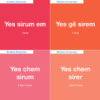
Armenian Past/Present/Future Masterclass Series – 8 lessons
$85.00Original price was: $85.00.$85.00Current price is: $85.00. -

Armenian Reading and Writing Masterclass Series – 14 lessons
$114.00Original price was: $114.00.$114.00Current price is: $114.00. -
Armenian Reading and Writing Workbook Bundle x 3
$54.00Original price was: $54.00.$54.00Current price is: $54.00. -

Armenian English Alphabet Flashcard Set
$25.00Original price was: $25.00.$25.00Current price is: $25.00. -

Armenian Flashcard Set - Animals PRINTABLE
$18.00Original price was: $18.00.$18.00Current price is: $18.00. -

Armenian Flashcard Set - Emotions and Feelings PRINTABLE
$18.00Original price was: $18.00.$18.00Current price is: $18.00.
