Armenian, a language with a rich history and culture, is also brimming with humor. From witty expressions to playful insults, Armenian phrases can be a source of endless amusement for both native speakers and language enthusiasts. In this post, we’ll delve into the world of Armenian idioms, exploring examples from both Eastern and Western Armenian.
Funny Armenian Expressions and Idioms
Before we dive into the Armenian phrases, it’s essential to understand that humor in Armenia often relies on subtle nuances, wordplay, and cultural references. What might seem funny to a native speaker might sound weird to foreigners as the phrases do not translate directly into other languages. Here are some of the funniest and most interesting sayings when talking to Armenians:
Just a Few Examples of Humorous Phrases
- “Tsavd tanem” (let me take your pain) – a phrase used to express strong love or empathy, literally meaning “let me take your pain away”.
- “Mernem janid” (I will die on your body) – a phrase used by parents or grandparents to express their love and sacrifices, literally translating to “I will die on your body”, or let me die on your body.
- “Glugh ardukel” (literally translates to ironing the head) – a funny Armenian idiom thats true meaning is talking nonsense or BS’ing someone.
- “Atchk mtnel” (means entering my eye) – a phrase used when a person shows appreciation and kindness to someone, literally means “you are entering my eye”.
- “Srtid mernem” (I will die on your heart) – this phrase is used when you want to express appreciation and kindness, especially towards youngsters.
- “Glkhi vra pahel” (holding someone on the head) – this phrase is used when you want to describe taking care of someone on a high level and providing for all their needs.
- “Zokhannchd qez ksiri” (meaning your mother-in-law loves you) – an Armenian idiom used when someone shows up at the right time, especially when food is involved.
<>

Armenian Idioms and Proverbs are Hallmarks of the Armenian Language
Like other cultures that have survived and thrived for many centuries, Armenian sayings form a strong part of the Armenian culture. These popular phrases are from Tun Online Armenian School’s Instagram page, they are passed down from generations and they are both interesting and charming for Armenians, and non Armenians from other countries, too. How many of these sayings can you understand the meaning of?
Mastering Armenian Phrases
If you’re interested in learning to speak the Armenian language, Tun Online Armenian School offers courses in Eastern and Western Armenian, and unlike other language schools, you can try one month for free!
Tips and Tricks for Effective Communication
- Learn Eastern Armenian dialect to speak with locals in Armenia
- Start with basic vocabulary, one word at a time until you can start to put the words together to make phrases of your own in Armenian
- Listen to pronunciation and practice it yourself to sound more natural
- Use Armenian phrases in context to understand their literal meaning and cultural significance – the funniest ones are often interesting expressions about life, pain and love
- Don’t be afraid to make mistakes – they are a natural part of life and the Armenian people will appreciate your effort to communicate in their language.
Learn Basic Armenian Phrases for Everyday Use in Armenia
- “Barev” (hello – informal version), “Barev dzez” (hello – formal version), “Bari luys” (good morning),“Inchpes ek” (how are you – informal version), “Vonts es” (how are you), “Lav em” (I’m good) “Shnorhakalutsyun” (thank you), “Ayo” (yes), “Votch” (no) – basic words and essential phrases and expressions to know when communicating in Armenian.
- “Khndrum em” (please), “Neroghutyun” (excuse me), “Bari galust” (welcome) – basic Armenian words and phrases to know for polite interactions.
Missing an Interesting phrase? Download the Armenian Language Phrase Book
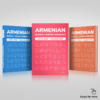
Tun Online Armenian School’s Armenian language phrase book includes phrases you can use to speak with Armenians right away. The each word is written in English transliteration alongside the Armenian alphabet, so you can pronounce each word accurately and build confidence when learning the language.
For more easy Armenian phrases in Eastern and Western Armenian, download the FREE phrasebook from Tun Online Armenian School here, or you can try one month of Armenian lessons for free.
Free Download: Eastern and Western Armenian Phrase Book

Here is your premium, fully consistent FAQ section for this post
(aligned with your tone, structure, and depth, and without using “—”):
Frequently Asked Questions
1. Why do Armenian expressions sound unusual when translated into English?
Many Armenian phrases are highly idiomatic, meaning their literal translation does not match their actual meaning. These expressions often reflect Armenian culture, humor, family values, and emotional warmth, which can make them sound surprising or funny when translated word for word.
2. What does “Tsavd tanem” mean?
“Tsavd tanem” literally means “let me take your pain.” It is a loving expression used to show deep affection, care, empathy, or concern for someone. It is commonly used between family members, close friends, and loved ones.
3. Why do Armenians use expressions about dying when showing affection?
Phrases such as “Mernem janid” or “Srtid mernem” may sound dramatic in English, but in Armenian they are expressions of deep love, devotion, and endearment. They reflect the emotional richness of the language rather than any literal meaning.
4. Are Armenian idioms still commonly used today?
Yes. Armenian idioms and expressions remain an important part of everyday speech. You will hear them used by people of all ages, both in Armenia and throughout Armenian communities around the world.
5. Should language learners study Armenian idioms?
Absolutely. Learning idioms helps you understand how native speakers really communicate. It also improves cultural understanding and allows you to appreciate humor, storytelling, and everyday conversations on a deeper level.
6. Do Eastern and Western Armenian share the same idioms?
Many expressions are shared across both dialects, although pronunciation and wording may vary. Some idioms may also be more common in certain regions or communities, reflecting local traditions and cultural influences.
7. What are the most important Armenian phrases for beginners to learn?
Many learners start with practical expressions such as “Barev” (hello), “Shnorhakalutyun” (thank you), “Khndrum em” (please), “Ayo” (yes), and “Voch” (no). These phrases provide a strong foundation for everyday communication and help build confidence quickly.
8. Where can I learn more Armenian phrases and expressions?
At Tun Online Armenian School, students learn both practical everyday phrases and culturally rich expressions used by native speakers. Through lessons, phrase books, flashcards, audio resources, and interactive activities, learners can build real-world communication skills in both Eastern and Western Armenian.
<>
If you’re interested in Eastern or Western Armenian, you can try one month for free, at Tun Online Armenian School.
The Armenian language is a rich tapestry woven with wit, exaggeration, and cultural references. By exploring these popular words and phrases, we gain a deeper appreciation for the Armenian language and culture.
Related Articles




-
Online Armenian School
$111.00 – $236.00 / month -

5 x Armenian Lesson Sample
$118.00