When the kitchen is where the language lives
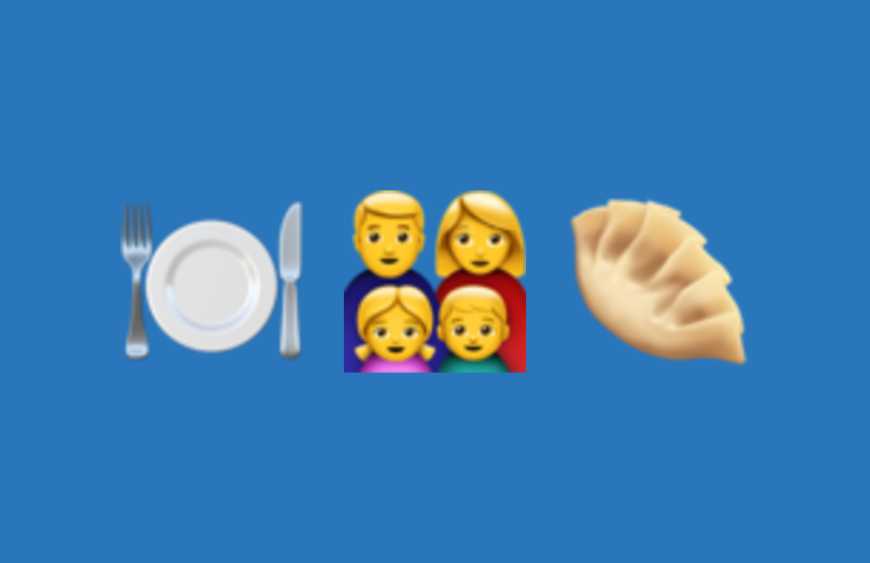
For many Armenian families around the world, the kitchen is the heart of the home — and the heart of the language. It is where grandmothers roll out dough for mantis without measuring anything, where aunts debate the correct way to make dolma while their hands work automatically, where the smell of simmering khorovats draws everyone into the same room regardless of what language they speak the rest of the day. In diaspora households especially, Armenian often survives longest in the kitchen. The words for food, for cooking techniques, for the specific sounds and textures and aromas of Armenian cuisine — these are the words that get passed down even when other parts of the language fade.
If you are learning Armenian to connect with your heritage, the vocabulary of food and cooking is among the most emotionally resonant you will ever study. These are not abstract words on a flashcard. They are the words your grandmother used when she called you to the table. They are the names of dishes that appeared at every family gathering. They are the instructions written in the margins of handwritten recipe cards that someone in your family has been using for decades. Learning them is not just vocabulary acquisition — it is re-entering a conversation that has been happening in your family for generations.
And even if you have no Armenian heritage at all but simply love the cuisine, learning the language of Armenian food opens up a deeper relationship with the culture. When you can order at an Armenian restaurant in Armenian, or greet the owner of a Middle Eastern market in Armenian as you buy sumac and pomegranate molasses, you are participating in something larger than a transaction — you are honouring the tradition that produced the food.
What makes food vocabulary uniquely learnable
Food vocabulary has several features that make it unusually well-suited for language learners. It is concrete — you can see, smell, taste, and touch almost every word you learn, which creates multisensory memory traces that abstract vocabulary cannot match. It is socially reinforced — using food words with family and friends provides immediate, natural feedback and positive reinforcement. And it is emotionally charged — the words for foods we love are stored differently in the brain than neutral vocabulary, making them easier to recall even under pressure.
Armenian cuisine has its own rich vocabulary that does not always translate neatly into English. Words like “tzhvzhik” (a sautéed dish of liver and vegetables), “jajukh” (a yogurt and cucumber soup), “nshkhar” (a portion of the Eucharistic bread, but used more broadly to mean a blessed share of food), and “hats” (bread, which carries cultural significance far beyond its literal meaning) carry layers of cultural meaning that a simple translation cannot convey. Learning these words in their original language gives you access to those layers.
The structure of an Armenian meal also teaches you something about Armenian social values. The insistence on offering food to anyone who enters the home, the ritual of preparing more than anyone could eat, the specific phrases used to invite someone to eat (“gdenk,” “hargenk”) — these linguistic patterns encode a philosophy of hospitality that is central to Armenian identity. Learning the language of the table means learning a way of being in relationship with others.

Why generic language courses often miss the kitchen entirely
Standard language curricula tend to prioritise vocabulary for professional, academic, or tourist contexts. Food vocabulary, when it appears at all, is usually limited to restaurant scenarios — ordering a meal, reading a menu, asking for the bill. This misses the entire universe of language that happens around shared meals: the conversations that flow between courses, the stories told while someone is cooking, the expressions of praise and gratitude exchanged when a dish is particularly good.
For Armenian learners in particular, this gap is significant because so much of Armenian cultural life revolves around food. The table is where Armenian is spoken most naturally, most emotionally, and most consistently across generations. A learner who can follow a conversation about food and participate in the rituals of the Armenian table has access to a dimension of the culture that purely academic language study never reaches.
At Tun Online Armenian School, students can learn vocabulary organised around real-life contexts, including the home and family contexts where the most meaningful Armenian is spoken. The interactive format allows learners to practise using food-related vocabulary in sentences, building the confidence to use those words in actual kitchen and dinner-table conversations.
Practical strategies for learning Armenian through food
Start with the dishes you already know and love. Make a list of your favourite Armenian foods — whether it is dolma, lahmajun, ghapama, or something simpler like lavash and cheese — and learn the Armenian names for every ingredient, every cooking technique, and every related object in the kitchen. Learning vocabulary that connects to foods you actually eat is far more effective than learning random food words from a list.
Cook Armenian recipes in Armenian. Find a recipe written in Armenian — even if you can only understand half of it at first — and work through it step by step, looking up unfamiliar words as you go. This combines language learning with a practical, rewarding outcome: at the end, you have both new vocabulary and a meal to share. Involving family members who speak Armenian turns the cooking session into a natural language exchange where you learn by doing.
Learn the phrases that surround Armenian meals, not just the names of dishes. How do you invite someone to start eating? What do you say when the food is delicious? What is the proper response when someone compliments your cooking? These conversational formulas are the difference between knowing food vocabulary and being able to participate in the social life of the Armenian table. They are also relatively easy to learn because they follow predictable patterns that repeat at every meal.
Finally, if you have family members who cook Armenian food, ask them to teach you in Armenian. Even if your Armenian is very basic, the shared activity of cooking provides a natural context where language happens without pressure. You learn by hearing instructions, asking for clarification, and naming ingredients as you work. The kitchen, where so much Armenian heritage has been preserved, becomes your classroom — and the lessons are delicious.
Ready to start learning Armenian?
Tun Online Armenian School is available online to students in 30+ countries. Students can log in and learn Eastern or Western Armenian at a pace that suits them, and it features lessons, quizzes and interactive games to make learning fun.

Create your free account and start your first lesson now!
✅ Available on mobile
✅ Available on desktop and laptop
✅ Ad-free learning experience
✅ Live practice with other Armenian speakers
✅ Beginner, Intermediate and Advanced levels
✅ Tutor help available
✅ Try before you buy with 4, 8 or 12 lessons free
✅ Cancel any time

Related Articles




-
Online Armenian School
₦66,347.00 – ₦142,172.00 / month -

5 x Armenian Lesson Sample
₦71,086.00 -

Armenian English Alphabet Flashcard Set
₦32,226.00 -

Armenian Flashcard Set - Animals PRINTABLE
₦22,748.00