

For Armenians living outside their homeland, language is more than just words — it’s a living thread that ties together grandparents, parents, and children. In the diaspora, Armenian carries memories, traditions, and values across generations, helping families stay connected even when separated by oceans or decades.
Here’s why Armenian matters so deeply in diaspora families — and how you can strengthen those ties.
Language as a Family Treasure
For many diaspora Armenians, the language spoken at home is a direct link to ancestors and family history. Whether it’s the songs your grandmother sang, the blessings your father whispered, or the jokes shared around the dinner table, Armenian holds emotional weight that English or other local languages simply can’t replace.
Passing this treasure down means younger generations don’t just learn vocabulary — they inherit a sense of belonging.
Keeping Cultural Identity Alive
Without language, culture risks fading. Armenian helps preserve unique traditions: holidays, poetry, folktales, food names, and values that define Armenian identity. Even kids who only learn a little Armenian often feel more grounded and proud of their roots, knowing they carry something special forward.
Bridging the Generation Gap
When grandparents speak mostly Armenian and grandkids mostly English, the language becomes a powerful bridge. Teaching children even a few key phrases allows them to connect across the generational gap, creating shared moments, stories, and laughter that would otherwise be lost.

Ways to Strengthen the Connection
Celebrate Armenian Culture
Attend community events, watch Armenian movies, cook traditional recipes, or sing folk songs together. Language is part of a bigger cultural tapestry — weave it into fun, shared experiences.
Start Small at Home
Use Armenian words during meals, greetings, or bedtime. These everyday moments add up and become part of your child’s emotional memory.
Learn Together
Make language learning a family project! Kids love seeing parents and grandparents try new things, and you can bond over progress (and mistakes!) together.
Frequently Asked Questions
1. Why is Armenian so important for diaspora families?
For many diaspora Armenians, the language preserves family history, cultural identity, and emotional connection. It allows traditions, stories, and values to continue across generations.
2. Can children still connect to Armenian culture if they are not fluent?
Yes. Even learning simple words, songs, greetings, or family expressions can help children feel connected to their heritage and build pride in their background.
3. What happens when Armenian is no longer spoken at home?
Over time, cultural traditions and family communication can become more distant. Language loss may create gaps between generations, especially when older relatives feel most comfortable speaking Armenian.
4. How can families introduce Armenian into daily life?
Families can use Armenian during meals, greetings, storytelling, music, or celebrations. Small daily habits often feel more natural and sustainable than formal study alone.
5. Is it difficult for children to learn Armenian alongside another language?
Children are highly adaptable and can successfully grow up bilingual or multilingual. Consistent exposure and encouragement help them absorb Armenian naturally over time.
6. Can adults and children learn Armenian together?
Absolutely. Learning together creates shared motivation and strengthens family bonds. It also turns language learning into a collaborative and meaningful family experience.
7. Why do many diaspora Armenians feel emotional about the language?
The Armenian language carries memories of homeland, survival, migration, and family history. For many people, speaking Armenian feels deeply personal and tied to identity.
8. What is the best way to keep Armenian alive across generations?
Consistency and emotional connection matter most. When families actively use Armenian in meaningful moments and create positive experiences around the language, younger generations are more likely to embrace and preserve it.

Ready to start learning Armenian?(www.tunapp.com/get-started)
Tun Online Armenian School is available online to students in 30+ countries. Students can log in and learn Eastern or Western Armenian at a pace that suits them, and it features lessons, quizzes and interactive games to make learning fun.
<< Create your free account and start your first lesson now! >>
✅ Eastern and Western Armenian
✅ Available on mobile
✅ Available on desktop and laptop
✅ Ad-free learning experience
✅ Live practice with other Armenian speakers
✅ Beginner, Intermediate and Advanced levels
✅ Tutor help available
✅ Try before you buy with 4, 8 or 12 lessons free
✅ Cancel any time
Related Articles


-

Armenian Suffixes Masterclass Series – 11 lessons
$85.00Original price was: $85.00.$85.00Current price is: $85.00. -
Online Armenian School
$51.00 – $108.00 / month -

5 x Armenian Lesson Sample
$54.00Original price was: $54.00.$54.00Current price is: $54.00. -
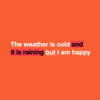
Armenian Sentence Structure Masterclass Series – 8 lessons
$85.00Original price was: $85.00.$85.00Current price is: $85.00. -
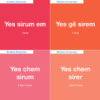
Armenian Past/Present/Future Masterclass Series – 8 lessons
$85.00Original price was: $85.00.$85.00Current price is: $85.00. -

Armenian Reading and Writing Masterclass Series – 14 lessons
$114.00Original price was: $114.00.$114.00Current price is: $114.00. -
Armenian Reading and Writing Workbook Bundle x 3
$54.00Original price was: $54.00.$54.00Current price is: $54.00. -
Armenian English Alphabet Flashcard Set
$25.00Original price was: $25.00.$25.00Current price is: $25.00. -

Armenian Flashcard Set - Animals PRINTABLE
$18.00Original price was: $18.00.$18.00Current price is: $18.00. -

Armenian Flashcard Set - Emotions and Feelings PRINTABLE
$18.00Original price was: $18.00.$18.00Current price is: $18.00.
