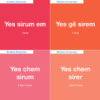
If you’re traveling to Armenia, meeting Armenian friends, or just starting to learn the language, one of the first things you’ll want to know is: how do I say “hello” in Armenian?
The answer depends slightly on whether you’re using Eastern or Western Armenian — but don’t worry, we’ve got you covered!
Greetings in Eastern Armenian
✅ Բարեւ (Barev) — [pronounced ba-REV]
This is the standard, friendly “hello” you’ll hear everywhere in Armenia. Use it in most casual or polite situations.
✅ Բարեւ Ձեզ (Barev dzez) — [ba-REV dzez]
This is the more formal or respectful way to say hello, especially to elders or people you don’t know well.
Greetings in Western Armenian
✅ Բարեւ (Parev) — [pa-REV]
In Western Armenian, the pronunciation slightly shifts, but the meaning stays the same.

Bonus: Other Friendly Greetings
🌞 Բարի լույս (Bari luys/Pari luys) — Good morning
🌇 Բարի երեկո (Bari yereko/Pari yereko) — Good evening
🌙 Բարի գիշեր (Bari gisher/Pari kisher) — Good night
Adding these to your greeting toolkit will make you sound even more natural when speaking Armenian!
Practice Makes Perfect
Learning greetings is a great first step, but practicing them in real conversations is where the magic happens.
🌟 Join Tun Online Armenian School for a free first lesson — practice your greetings with a real teacher and gain the confidence to keep going.
👉 Visit tunapp.com today and start speaking Armenian!
Frequently Asked Questions
1. What is the most common way to say hello in Armenian?
The most common greeting is “Բարեւ” which is pronounced “Barev” in Eastern Armenian and “Parev” in Western Armenian. It is widely used in casual and friendly situations.
2. What is the polite or formal version of hello in Armenian?
“Բարեւ Ձեզ” is the more respectful and formal version of hello. It is commonly used when speaking to elders, teachers, strangers, or in professional settings.
3. Why do Eastern and Western Armenian sound different?
Eastern and Western Armenian developed in different historical and geographic environments. As a result, pronunciation patterns shifted slightly over time while still sharing the same core language.
4. Should beginners learn formal greetings first?
It is helpful to learn both casual and formal greetings early. This allows learners to communicate respectfully in different social situations and understand cultural etiquette more naturally.
5. Are Armenian greetings used differently depending on the time of day?
Yes. Armenians often use greetings such as “Good morning,” “Good evening,” and “Good night” depending on the situation and time, just as in many other languages.
6. Is pronunciation important when learning Armenian greetings?
Pronunciation matters because small sound differences can affect clarity and understanding. Listening to native speakers and repeating greetings aloud helps build confidence and accuracy.
7. Can learning greetings help improve speaking confidence?
Absolutely. Greetings are often the first real conversations learners have in Armenian, making them an important step toward building comfort and fluency.
8. What is the best way to practice Armenian greetings?
The best approach is regular use in real situations. Practicing with teachers, classmates, friends, or language partners helps greetings become natural and automatic over time.

Ready to start learning Armenian?(www.tunapp.com/get-started)
Tun Online Armenian School is available online to students in 30+ countries. Students can log in and learn Eastern or Western Armenian at a pace that suits them, and it features lessons, quizzes and interactive games to make learning fun.
<< Create your free account and start your first lesson now! >>
✅ Eastern and Western Armenian
✅ Available on mobile
✅ Available on desktop and laptop
✅ Ad-free learning experience
✅ Live practice with other Armenian speakers
✅ Beginner, Intermediate and Advanced levels
✅ Tutor help available
✅ Try before you buy with 4, 8 or 12 lessons free
✅ Cancel any time
Related Articles




-

-
-
Online Armenian School
12.000 ﷼ – 25.600 ﷼ / month -

5 x Armenian Lesson Sample
12.800 ﷼