No matter where you go in Yerevan, the snow-capped peak of Mount Ararat dominates the skyline. It is more than a mountain; it is the silent guardian of the Armenian people. Even when clouds hide it, you feel its presence — just like tScattered across the Armenian landscape are thousands of intricate stone crosses known as Khachkars.
No two are alike.
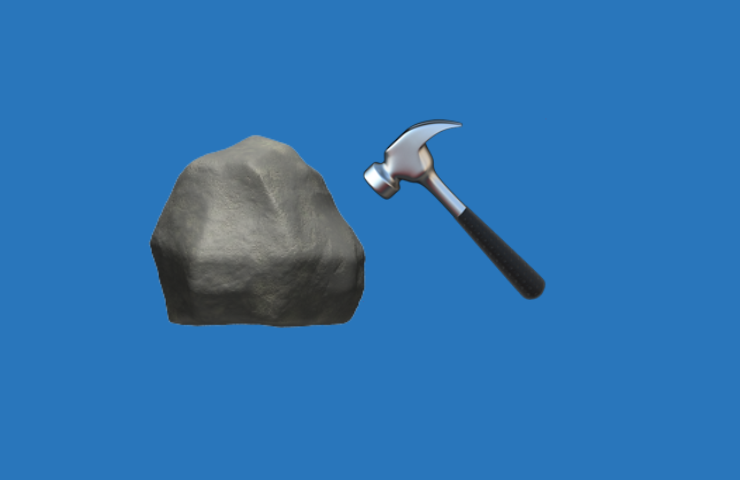
They are lace carved from volcanic rock, defying the hardness of the stone with delicate patterns. They are the visual language of Armenian faith.
Needlework in Rock 🪡
The craftsmanship required to carve a Khachkar is mind-blowing.
It takes patience, precision, and soul.
Learning Armenian grammar requires a similar dedication — chipping away at the hard parts until the beauty reveals itself.
A Story in Every Pattern 🌿
Khachkars often feature the Tree of Life, pomegranates, and sun symbols. They tell stories of life, death, and rebirth without using a single word. They teach us that communication goes beyond speech; it is about symbols and shared meaning.

Enduring Through Time ⏳
These stones have survived wars and weather for centuries. They stand as a testament to the durability of Armenian culture. The language you are learning shares this same durability.
Carve Your Own Path 🛤️
You don’t need a chisel to make your mark.
Every word you learn, every sentence you speak, adds to the living history of this culture. Start carving your skills with TunApp today.
Frequently Asked Questions
1. What are Khachkars?
Khachkars are traditional Armenian stone crosses carved with intricate patterns and symbols. They are unique cultural monuments that combine art, spirituality, and history.
2. Why are Khachkars important in Armenian culture?
Khachkars represent faith, identity, and continuity. They serve as memorials, symbols of protection, and expressions of Armenian craftsmanship and belief.
3. What do the patterns on Khachkars represent?
Common motifs include the Tree of Life, pomegranates, and sun symbols. These designs reflect themes of life, renewal, and spiritual connection.
4. Why is each Khachkar unique?
Each Khachkar is handcrafted by an artisan, with individual patterns and details. This makes every piece a unique expression of creativity and meaning.
5. How are Khachkars made?
They are carved from volcanic stone using detailed and precise techniques. The process requires patience, skill, and deep attention to detail.
6. How do Khachkars relate to language learning?
Like carving stone, learning Armenian takes time and consistency. Each step builds on the last, gradually revealing deeper understanding and beauty.
7. Why are Khachkars considered enduring symbols?
Khachkars have survived centuries of historical change, standing as lasting symbols of Armenian culture and resilience.
8. What can learners take from the symbolism of Khachkars?
They represent dedication and gradual creation. Language learning follows a similar path, where each word and sentence contributes to a larger, meaningful whole.

Ready to start learning Armenian?(www.tunapp.com/get-started)
Tun Online Armenian School is available online to students in 30+ countries. Students can log in and learn Eastern or Western Armenian at a pace that suits them, and it features lessons, quizzes and interactive games to make learning fun.
<< Create your free account and start your first lesson now! >>
✅ Eastern and Western Armenian
✅ Available on mobile
✅ Available on desktop and laptop
✅ Ad-free learning experience
✅ Live practice with other Armenian speakers
✅ Beginner, Intermediate and Advanced levels
✅ Tutor help available
✅ Try before you buy with 4, 8 or 12 lessons free
✅ Cancel any time

Related Articles



-

Online Armenian School
$70.00 – $149.00 / month -

5 x Armenian Lesson Sample
$75.00 -

Armenian Reading and Writing Masterclass Series – 14 lessons
$157.00Original price was: $157.00.$157.00Current price is: $157.00.