Kochari isn’t a solo dance.
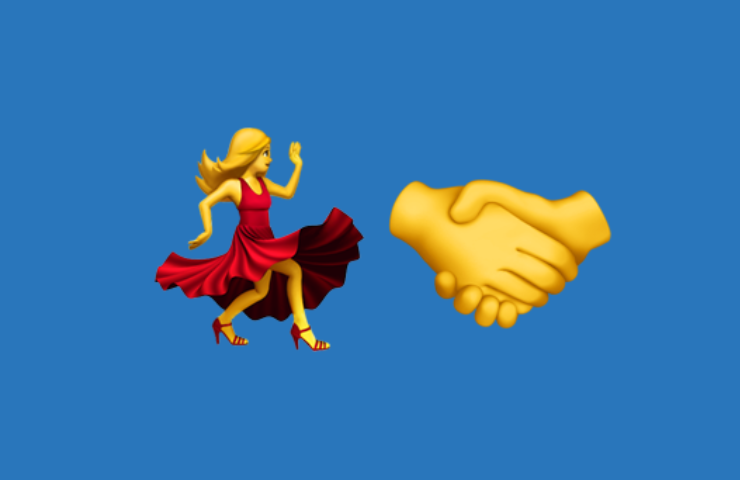
It is a group dance where participants hold hands or put arms on shoulders, moving as one unbreakable wall.
It is powerful, rhythmic, and incredibly masculine, yet danced by everyone.
Shoulder to Shoulder 🤝
The physical connection is key.
You rely on the person next to you.
Armenian culture is communal, not individualistic.
Language connects us metaphorically just as Kochari connects us physically.
A War Dance ⚔️
Originally, it was a dance to prepare for battle.
Now, it is a dance of celebration and victory.
It represents the fighting spirit of the culture.
Learning the language preserves that spirit.

Rhythm of the Highlands 🥁
The stomp of the feet mimics the heartbeat of the land.
To speak Armenian is to feel this rhythm.
It’s emphatic, strong, and grounded.
Join the Circle ⭕
There is always room for one more in the line.
Grab a hand.
Join the dance of the Armenian language with TunApp.
Frequently Asked Questions
1. What is Kochari?
Kochari is a traditional Armenian group dance where participants move together in a line, often holding hands or placing arms on each other’s shoulders.
2. Why is Kochari performed as a group dance?
The group structure symbolises unity and collective strength. Each dancer relies on the others, reflecting the communal nature of Armenian culture.
3. What is the historical meaning of Kochari?
Kochari originated as a war dance, used to build courage and solidarity. Today, it represents celebration, resilience, and shared identity.
4. Is Kochari only danced by men?
No. While it has strong and powerful movements, Kochari is danced by everyone and is inclusive in modern celebrations.
5. How is Kochari connected to Armenian language learning?
As noted in , shared experiences and repeated exposure strengthen understanding. Like dancing together, language learning becomes easier through connection and participation.
6. What does the rhythm of Kochari represent?
The strong, grounded rhythm reflects the landscape and spirit of Armenia, often described as mirroring the heartbeat of the land.
7. Why is physical connection important in the dance?
Holding hands or linking shoulders creates a sense of trust and unity, reinforcing the idea that strength comes from togetherness.
8. What can learners take from Kochari as a metaphor?
It shows that learning Armenian is not a solitary process. It is about joining a shared experience, building connection, and moving forward together.

Ready to start learning Armenian?(www.tunapp.com/get-started)
Tun Online Armenian School is available online to students in 30+ countries. Students can log in and learn Eastern or Western Armenian at a pace that suits them, and it features lessons, quizzes and interactive games to make learning fun.
<< Create your free account and start your first lesson now! >>
✅ Eastern and Western Armenian
✅ Available on mobile
✅ Available on desktop and laptop
✅ Ad-free learning experience
✅ Live practice with other Armenian speakers
✅ Beginner, Intermediate and Advanced levels
✅ Tutor help available
✅ Try before you buy with 4, 8 or 12 lessons free
✅ Cancel any time

Related Articles



-

Armenian Suffixes Masterclass Series – 11 lessons
193 764,00 Fr -
Online Armenian School
114 945,00 Fr – 246 310,00 Fr / month -

5 x Armenian Lesson Sample
123 155,00 Fr -
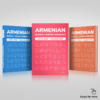
Armenian Reading and Writing Workbook Bundle x 3
121 513,00 Fr -

Armenian English Alphabet Flashcard Set
55 831,00 Fr -

Armenian Flashcard Set - Animals PRINTABLE
39 410,00 Fr