
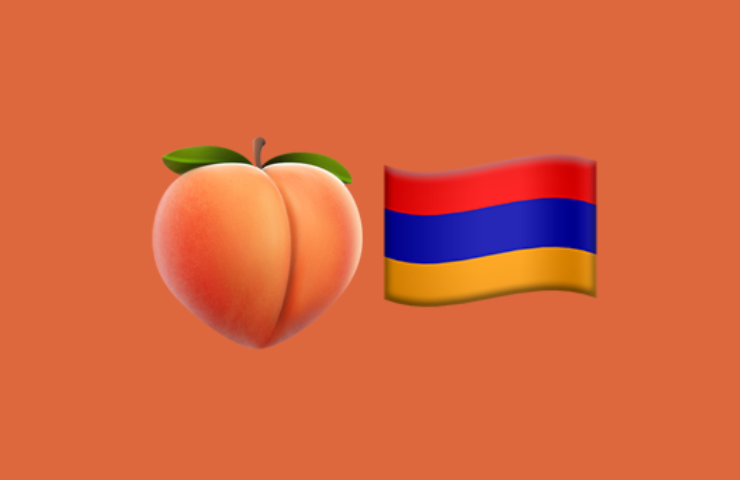
The scientific name for the apricot is Prunus Armeniaca — the Armenian Plum.
It is the national fruit, the symbol of the country.
Its color is on the flag.
Its wood makes the Duduk.
Its taste is the taste of home.
A Gift to the World 🎁
Armenia gave the apricot to the world.
It is a sweet contribution to global cuisine.
Armenian culture has so much to offer.
By learning the language, you can access these contributions fully.
The Color of the Flag 🇦🇲
The orange stripe on the Armenian flag is actually “Apricot” color.
It symbolizes talent and hard work.
Learning a language is hard work, but the fruit is sweet.
Be proud of your effort.
Taste the Sun ☀️
Armenian apricots are said to taste like the sun.
They absorb the energy of the highlands.
Let the language energize you.
Let it bring color to your life.
Pick the Best Fruit 🧺
Don’t settle for the basics.
Reach for the ripest, sweetest knowledge.
TunApp helps you harvest the best of Armenian culture.
Frequently Asked Questions
1. Why is the apricot important in Armenian culture?
The apricot is considered a national symbol of Armenia. It represents heritage, identity, and connection to the land, appearing in food, art, and cultural expression.
2. What does “Prunus Armeniaca” mean?
It is the scientific name for the apricot, meaning “Armenian plum.” This reflects the fruit’s historical association with Armenia.
3. Why is the apricot color on the Armenian flag?
The orange stripe on the flag symbolises creativity, hard work, and talent. It is often described as the color of apricots, linking it directly to Armenian identity.
4. How is the apricot connected to Armenian music?
Apricot wood is traditionally used to make the duduk, a well-known Armenian instrument, connecting the fruit to the country’s musical heritage.
5. How does cultural learning support language learning?
As shown in , connecting language to real cultural elements improves retention. Associating words with symbols like food and tradition makes learning more meaningful.
6. Why do Armenian apricots have a strong reputation?
They are known for their rich flavor, often attributed to the climate and geography of Armenia, which produce particularly sweet and aromatic fruit.
7. How can learners connect food with language learning?
Learning food-related vocabulary alongside cultural context helps create stronger memory associations and makes language feel more alive and practical.
8. What does the apricot symbolise for learners?
It represents the reward of effort. Just like fruit grows with time and care, language learning develops gradually and becomes more satisfying with consistency.

Ready to start learning Armenian?(www.tunapp.com/get-started)
Tun Online Armenian School is available online to students in 30+ countries. Students can log in and learn Eastern or Western Armenian at a pace that suits them, and it features lessons, quizzes and interactive games to make learning fun.
<< Create your free account and start your first lesson now! >>
✅ Eastern and Western Armenian
✅ Available on mobile
✅ Available on desktop and laptop
✅ Ad-free learning experience
✅ Live practice with other Armenian speakers
✅ Beginner, Intermediate and Advanced levels
✅ Tutor help available
✅ Try before you buy with 4, 8 or 12 lessons free
✅ Cancel any time

Related Articles





-

-
-

Armenian Suffixes Masterclass Series – 11 lessons
$85.00Original price was: $85.00.$85.00Current price is: $85.00. -
Online Armenian School
$51.00 – $108.00 / month -

5 x Armenian Lesson Sample
$54.00Original price was: $54.00.$54.00Current price is: $54.00. -
Armenian Sentence Structure Masterclass Series – 8 lessons
$85.00Original price was: $85.00.$85.00Current price is: $85.00. -
Armenian Past/Present/Future Masterclass Series – 8 lessons
$85.00Original price was: $85.00.$85.00Current price is: $85.00. -

Armenian Reading and Writing Masterclass Series – 14 lessons
$114.00Original price was: $114.00.$114.00Current price is: $114.00. -
Armenian Reading and Writing Workbook Bundle x 3
$54.00Original price was: $54.00.$54.00Current price is: $54.00. -
Armenian English Alphabet Flashcard Set
$25.00Original price was: $25.00.$25.00Current price is: $25.00.
