

In Armenian culture, questions are not interrogations.
They are invitations.
The way you ask matters as much as what you ask.
Soft Openings Matter
Questions are often preceded by context.
Instead of jumping straight in, Armenians soften the moment with small talk or emotional cues. This creates comfort before curiosity.
For learners, this teaches patience and social awareness.
Tone Over Structure
A grammatically perfect question can sound cold if the tone is wrong.
Armenian relies heavily on intonation and facial expression to signal friendliness.
Learning to listen is just as important as learning sentence structure.
Questions Build Relationships
Asking questions shows care.
People notice effort, even if the words are simple. This encourages learners to engage early instead of waiting for perfection.
Learning Tip: Practice Variations
Ask the same question in different ways.
TunApp lessons expose learners to multiple forms of the same question so flexibility becomes natural.
Curiosity Is Welcome
In Armenian culture, curiosity equals interest.
Asking questions is how you become part of the conversation.
Frequently Asked Questions
1. Why are questions important in Armenian communication?
Questions are not only used to gather information, they are a way to show interest and build connection. In Armenian culture, asking a question often signals care and openness rather than simple curiosity.
2. Why do Armenian questions often start with small talk?
Soft openings create comfort before asking something directly. This approach helps make conversations feel more natural and respectful, especially when speaking with someone new or in a social setting.
3. Does tone matter more than grammar in Armenian questions?
Tone plays a very important role. Even a grammatically correct question can feel distant if the tone is too direct or neutral. A warm tone helps communicate friendliness and intention more clearly.
4. How does intonation affect meaning in Armenian questions?
Intonation helps signal emotion and intention. The same sentence can feel welcoming, neutral, or serious depending on how it is said, which is why listening carefully is essential for understanding.
5. Can simple questions still be effective for beginners?
Yes. Even simple questions show effort and willingness to engage. People generally respond positively to this, which helps learners gain confidence and stay involved in conversations.
6. Why are questions seen as a way to build relationships?
Asking questions shows that you are interested in the other person. This creates connection and encourages more open communication, which is an important part of Armenian conversational style.
7. How can learners practise asking questions more naturally?
Practising variations of the same question helps build flexibility. Exposure to different forms allows learners to adjust their language depending on the situation and tone.
8. Is it important to ask questions early in learning Armenian?
Yes. Asking questions, even with limited vocabulary, helps you become part of the conversation. It supports both language development and social connection at the same time.

Ready to start learning Armenian?(www.tunapp.com/get-started)
Tun Online Armenian School is available online to students in 30+ countries. Students can log in and learn Eastern or Western Armenian at a pace that suits them, and it features lessons, quizzes and interactive games to make learning fun.
<< Create your free account and start your first lesson now! >>
✅ Eastern and Western Armenian
✅ Available on mobile
✅ Available on desktop and laptop
✅ Ad-free learning experience
✅ Live practice with other Armenian speakers
✅ Beginner, Intermediate and Advanced levels
✅ Tutor help available
✅ Try before you buy with 4, 8 or 12 lessons free
✅ Cancel any time

Related Articles





-

Armenian Suffixes Masterclass Series – 11 lessons
$85.00Original price was: $85.00.$85.00Current price is: $85.00. -
Online Armenian School
$51.00 – $109.00 / month -

5 x Armenian Lesson Sample
$55.00Original price was: $55.00.$55.00Current price is: $55.00. -

Armenian Sentence Structure Masterclass Series – 8 lessons
$85.00Original price was: $85.00.$85.00Current price is: $85.00. -
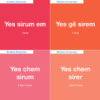
Armenian Past/Present/Future Masterclass Series – 8 lessons
$85.00Original price was: $85.00.$85.00Current price is: $85.00. -

Armenian Reading and Writing Masterclass Series – 14 lessons
$114.00Original price was: $114.00.$114.00Current price is: $114.00. -
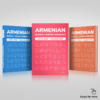
Armenian Reading and Writing Workbook Bundle x 3
$54.00Original price was: $54.00.$54.00Current price is: $54.00. -

Armenian English Alphabet Flashcard Set
$25.00Original price was: $25.00.$25.00Current price is: $25.00. -

Armenian Flashcard Set - Animals PRINTABLE
$18.00Original price was: $18.00.$18.00Current price is: $18.00. -

Armenian Flashcard Set - Emotions and Feelings PRINTABLE
$18.00Original price was: $18.00.$18.00Current price is: $18.00.
