

Language Changes With Environment
Many learners notice that Armenian does not sound the same in every setting. The language shifts depending on where it is spoken and who is present. In more formal or public environments, speech can feel more controlled and measured, and the language carries a certain clarity and restraint. In familiar spaces, the same words and structures take on a softer, warmer quality, and expression becomes more open and emotionally layered. This contrast is not random, it reflects how closely Armenian is tied to relationship and comfort, so that the environment influences not only what is said but how it is expressed.
Familiarity Creates Warmth
When people feel comfortable, their way of speaking changes naturally. In Armenian, this change is particularly noticeable. Speech becomes slower, softer, and more expressive, and repetition increases, not as a sign of hesitation, but as a way to emphasise connection and ensure that emotional nuance is fully communicated. For learners, this means that the same phrase can feel completely different depending on the setting, and understanding this helps you interpret meaning more accurately rather than being confused by variations in tone and pacing.

Why Tone Softens at Home
In familiar environments, communication is less about efficiency and more about connection. People are not primarily trying to convey information as concisely as possible, they are trying to be understood and felt by the people they care about. This allows space for emotion to enter the conversation naturally, with words being repeated, softened, or extended to create clarity and warmth rather than simply to transmit content. For learners, recognising this quality helps you interpret the emotional texture of Armenian family and community communication, which is quite different from the more neutral registers you might encounter in formal settings.
Learning to Recognise Context
Recognising these shifts between formal and informal registers is an important step in developing real competence in Armenian. It allows you to understand why a conversation may sound different from what you expected based on previous exposure, and instead of focusing only on vocabulary, you begin to notice how tone changes with context. This awareness makes your understanding more flexible and more accurate, and it is a key part of what distinguishes a learner with genuine cultural fluency from one who has only mastered the structural aspects of the language.
Let the Language Feel Different
It is not necessary, or even desirable, for Armenian to sound consistent in every situation. Its variation is part of what makes it expressive, and when you allow for these differences rather than being confused or frustrated by them, the language becomes easier to follow. You begin to expect variation as a natural feature of communication rather than as an inconsistency to be resolved, and this expectation makes you a more flexible and more perceptive listener.
Frequently Asked Questions
1. Why does Armenian sound warmer in familiar or home environments?
Armenian often feels warmer in familiar spaces because the language is deeply connected to relationships and emotional expression. In settings such as family gatherings or conversations with close friends, speakers naturally adopt a softer tone, slower pace, and more expressive communication style, reflecting comfort and emotional connection.
2. How does the environment influence the way Armenian is spoken?
The environment plays a significant role in shaping Armenian speech. In formal or public settings, the language tends to be more structured, clear, and restrained. In contrast, informal or familiar environments encourage warmth, repetition, and emotional nuance. Understanding these contextual shifts helps learners interpret conversations more accurately.
3. What is the difference between formal and informal Armenian communication?
Formal Armenian communication is typically more concise and neutral, focusing on clarity and efficiency. Informal communication, especially among family and close friends, is more expressive and emotionally layered. It often includes softer tones, affectionate language, and repetition to emphasise connection and understanding.
4. Why is repetition more common in familiar Armenian conversations?
Repetition in Armenian is not a sign of hesitation but rather a way to reinforce meaning and emotional connection. In familiar settings, speakers may repeat words or phrases to express care, ensure clarity, and deepen interpersonal bonds. This cultural feature enhances warmth and inclusivity in communication.
5. How can learners recognise contextual changes in Armenian tone?
Learners can recognise contextual changes by paying attention to factors such as speaking pace, intonation, emotional expression, and the relationship between speakers. Exposure to a variety of real-life conversations—through media, community interactions, or lessons—helps develop sensitivity to these nuances.
6. Does understanding these tonal differences improve Armenian fluency?
Yes. Recognising how Armenian varies across different contexts enhances both comprehension and speaking ability. This awareness allows learners to adapt their communication style appropriately, leading to more natural interactions and deeper cultural fluency.
7. How can beginners practice using warmer, more informal Armenian?
Beginners can practice informal Armenian by engaging in conversations with native speakers, listening to family-oriented dialogues in films or podcasts, and observing how tone and pacing change in relaxed settings. Mimicking these patterns gradually builds confidence and authenticity in communication.
8. How does Tun Armenian Online School incorporate cultural and contextual language use?
Tun Armenian Online School integrates cultural context into its teaching approach by exposing learners to both formal and informal communication styles. Through authentic dialogues and culturally rich lessons, students develop the ability to recognise tonal variations and communicate with greater emotional awareness and confidence.

Ready to start learning Armenian?(www.tunapp.com/get-started)
Tun Online Armenian School is available online to students in 30+ countries. Students can log in and learn Eastern or Western Armenian at a pace that suits them, and it features lessons, quizzes and interactive games to make learning fun.
<< Create your free account and start your first lesson now! >>
✅ Eastern and Western Armenian
✅ Available on mobile
✅ Available on desktop and laptop
✅ Ad-free learning experience
✅ Live practice with other Armenian speakers
✅ Beginner, Intermediate and Advanced levels
✅ Tutor help available
✅ Try before you buy with 4, 8 or 12 lessons free
✅ Cancel any time

Related Articles





-

Armenian Suffixes Masterclass Series – 11 lessons
$85.00Original price was: $85.00.$85.00Current price is: $85.00. -
Online Armenian School
$51.00 – $109.00 / month -

5 x Armenian Lesson Sample
$55.00Original price was: $55.00.$55.00Current price is: $55.00. -
Armenian Sentence Structure Masterclass Series – 8 lessons
$85.00Original price was: $85.00.$85.00Current price is: $85.00. -
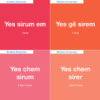
Armenian Past/Present/Future Masterclass Series – 8 lessons
$85.00Original price was: $85.00.$85.00Current price is: $85.00. -

Armenian Reading and Writing Masterclass Series – 14 lessons
$114.00Original price was: $114.00.$114.00Current price is: $114.00. -
Armenian Reading and Writing Workbook Bundle x 3
$54.00Original price was: $54.00.$54.00Current price is: $54.00. -

Armenian English Alphabet Flashcard Set
$25.00Original price was: $25.00.$25.00Current price is: $25.00. -

Armenian Flashcard Set - Animals PRINTABLE
$18.00Original price was: $18.00.$18.00Current price is: $18.00. -

Armenian Flashcard Set - Emotions and Feelings PRINTABLE
$18.00Original price was: $18.00.$18.00Current price is: $18.00.
