When you learn that your wine has a homeland
You raise a glass — perhaps in an Armenian home, perhaps at a restaurant, perhaps while reading about the country — and you learn something extraordinary. In a cave complex in Armenia called Areni, archaeologists have found the oldest known winery in the world: a six-thousand-year-old installation of grape presses, fermentation vats, and clay vessels, still stained with the residue of the wine that was made there. Armenia has been making wine since before the alphabet, since before the pyramids — and the language of that tradition is as ancient as the vine itself.
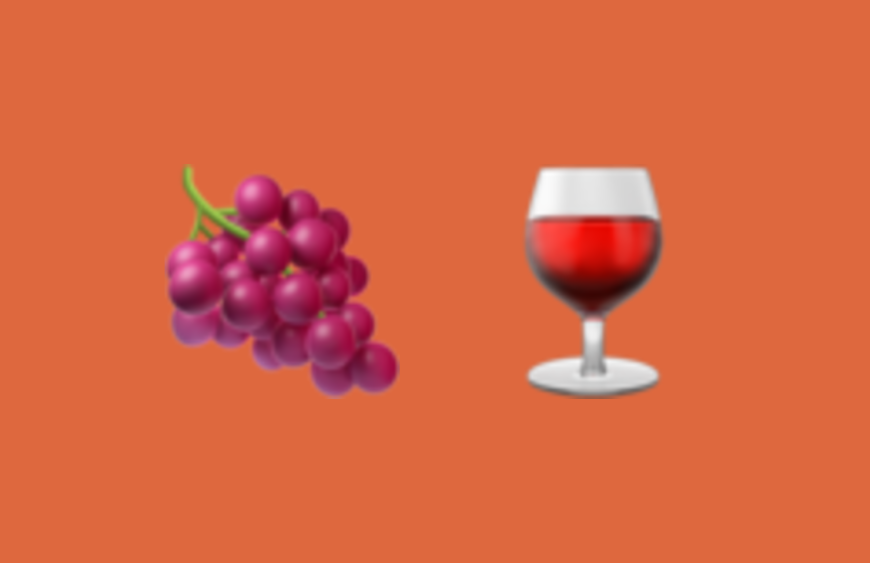
Wine in Armenian is “gini”. The grape is “khaghogh”. The vine is “vaz”. These three words reach back into the oldest layers of the language, and they open a world: the vocabulary of the vineyard, the harvest, the cellars, the table — a world that has been part of Armenian life for sixty centuries. For the learner, wine vocabulary is unusually rewarding: it is concrete, it is social, it is connected to the most convivial moments of Armenian life, and it is currently enjoying a renaissance as Armenian winemaking takes its place on the world stage.
The modern revival makes this an especially rich moment to learn. Armenian wines — from the indigenous varieties grown on the volcanic slopes of the Ararat valley and the highlands — are winning international awards, and winemakers are reaching back into the ancient vocabulary to name their bottles: Areni, Voskehat, Khatuni, Garandmak. The language of the vine is alive, and it is being spoken around the world.
The vocabulary of the vineyard and the cellar
The vine world has its own register in Armenian, precise and evocative. The vineyard is “khałanots” or “khaghoghani aygi” (grape garden); the vintage, “khaghoghakal” — literally grape-taking — is the word for the autumn harvest, an event that Armenians celebrate with a festival as old as the culture. The grapes themselves have their varieties — “Voskehat” (golden seed), “Areni” (named for the cave village), “Khatuni”, “Garandmak” — with names that are themselves miniatures of Armenian poetry.
The cellar vocabulary follows. The winepress is “khujakh”; the traditional clay vessel — the giant “karas” buried in the earth, still used by village winemakers — gives the language one of its most evocative words; the barrel, “takar”; the bottle, “shish”; the glass, “bazhak” or “glok”. The wine itself is described with a vocabulary of taste and colour — “karmir” (red), “spitak” (white), “chamakh” (semi-sweet), “chur” (dry) — that the learner can use at any table.
The toast — the “kenats” — is where the language of wine meets the language of Armenian social life. To say “Kenats!” (to life, literally “to you”) is to join the oldest conversation in the culture: the toast tradition, with its speeches, its structure, its rules — the first toast to the homeland, the second to the family, the third to the absent — is one of the great social institutions of Armenian life. The learner who can propose a toast has passed a test that no textbook sets.
Why wine vocabulary is a social passport
Wine vocabulary is social vocabulary — the words appear at the tables, celebrations, and gatherings where Armenian relationships are made. The learner who knows “gini”, “khaghogh”, and “kenats” can join the ritual of the toast; the learner who knows the varieties can discuss the wine with genuine interest; the learner who knows the harvest can share in the autumn festival of “khaghoghakal” — which, in the diaspora, is celebrated wherever Armenians gather.
The cultural weight of the vine is deep. Grapes are a symbol of fertility and abundance in Armenian tradition; the vine appears in the oldest Armenian texts and in the art of the churches. The word “vaz” for vine is related to the very ancient layers of the language. Understanding the vine means understanding the Armenian sense of the land as a source of life and joy — the same land that is imagined through the apricot, the pomegranate, and the grape.
There is a practical dimension too. Armenian wine is a point of pride and a growing export; the conversation about it is happening in Yerevan, in the diaspora, and in wine bars around the world. The learner who can participate — who can say “Ays ginin hachka” (this wine is pleasant) or “Voskehatits e?” (is it from Voskehat?) — has a genuine conversational tool that works in any Armenian-speaking company.
How Tun serves up the language of the table
At Tun Online Armenian School, students can build the everyday vocabulary of food, drink, and celebration in the context of the conversations where they actually occur — the table, the toast, the feast. The interactive lessons teach the words in sentences and situations, and the native-speaker audio models the warm register of hospitality in which wine language lives. The quizzes and spaced repetition ensure the vocabulary moves into long-term memory — ready when the glass is raised.
The platform’s flexible structure means learners can deepen their cultural knowledge alongside the language, connecting the words to the festivals, the traditions, and the living practice of Armenian hospitality. At Tun, the language of the table is treated as what it is: one of the most important doors into the language and the culture.

Practical strategies for learning wine language
Learn the core toast set first: “kenats” (cheers), “Arioghutyun” (health), the toast formulas “Kenatsd, mayr Hayastan” (to you, mother Armenia) and the response to a toast — “Astvats pahi” (God protect). These few phrases are among the highest-value utterances in the language: they are used at every celebration, they are always welcome, and they connect you instantly to the social tradition.
Learn the names of the indigenous varieties and the classic regions. The grapes — Voskehat, Areni, Khatuni, Garandmak — and the regions — Ararat, Vayots Dzor, Tavush, the highland valleys — are the vocabulary of the modern wine conversation, and they double as geography and culture lessons. Knowing them lets you ask intelligent questions in any wine conversation in Armenian.
Study the harvest festival vocabulary. “Khaghoghakal” (the vintage), the festival songs, the words for the autumn activities — picking, pressing, tasting — are the seasonal layer of the vocabulary, and they connect you to the rhythm of the Armenian year. Learn them in September and October, when the vintage happens, and the timing will reinforce the learning.
Finally, practise the toast. Propose a toast in Armenian at the next family gathering or celebration — even a short one. “Arioghutyun, yergarutyun, sirav, yev hokvo voghormutyun” (health, longevity, love, and mercy of the spirit) is the classic formula; adding your own words is the mastery. The table will respond, the tradition will carry you, and the language will become yours — one glass at a time.
Frequently Asked Questions
1. Why is wine vocabulary significant in Armenian culture?
Armenia has one of the world’s oldest winemaking traditions, and wine-related conversation is common at social and family gatherings.
2. What kind of vocabulary does viticulture bring into everyday Armenian?
Terms for grape varieties, the winemaking process, toasting phrases, and descriptive words used at the table around meals and celebrations.
3. Is toasting an important part of Armenian social custom?
Yes, toasts are a meaningful ritual at gatherings, often following set phrases and structures worth learning for social settings involving wine.
4. Do I need to know about wine to use this vocabulary socially?
Not deeply — knowing basic descriptive and toasting vocabulary is enough to participate comfortably in typical social conversations about wine.
5. How is wine vocabulary a “social passport” for learners?
Being able to discuss and toast properly around wine signals cultural fluency and puts you at ease in a very common social setting.
6. Are there regional differences in Armenian wine vocabulary?
Some vocabulary can vary by region given Armenia’s diverse wine-growing areas, though core terms remain broadly consistent.
7. What is a good way to practise toasting phrases?
Practise a short toast aloud until it feels natural, since toasts are often expected on the spot at gatherings and celebrations.
8. How does Tun incorporate this kind of cultural table vocabulary?
Tun presents social and celebratory vocabulary, including toasting and table language, in context so learners are ready for real gatherings.
Ready to start learning Armenian?
Tun Online Armenian School is available online to students in 30+ countries. Students can log in and learn Eastern or Western Armenian at a pace that suits them, and it features lessons, quizzes and interactive games to make learning fun.

Create your free account and start your first lesson now!
✅ Available on mobile
✅ Available on desktop and laptop
✅ Ad-free learning experience
✅ Live practice with other Armenian speakers
✅ Beginner, Intermediate and Advanced levels
✅ Tutor help available
✅ Try before you buy with 4, 8 or 12 lessons free
✅ Cancel any time

Related Articles




-
Online Armenian School
21.300 Fr – 45.700 Fr / month -

5 x Armenian Lesson Sample
22.900 Fr -

Armenian English Alphabet Flashcard Set
10.400 Fr